
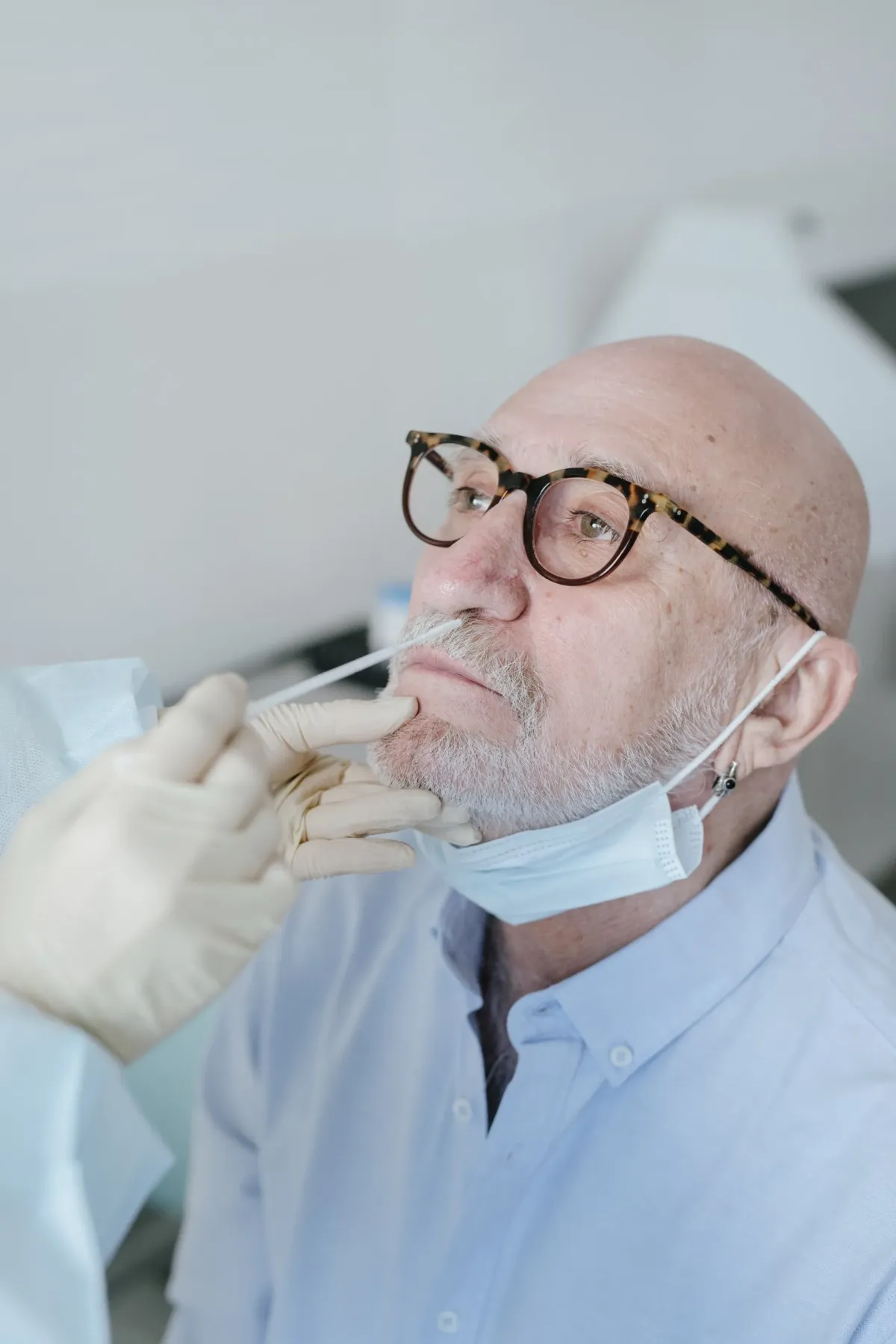
Rapid COVID-19 Antigen Testing
This service provides a rapid, convenient way to determine if you have an active COVID-19 infection. The test works by detecting specific viral proteins, called antigens, from the SARS-CoV-2 virus.
How It Works
Who Should Get Tested?
What to Do with Your Results
How It Works
- Sample Collection: A simple nasal swab is used to collect a sample. This process is quick and generally comfortable.
- Rapid Results: Unlike lab-based PCR tests, which can take days for results, rapid antigen tests provide results in as little as 15-30 minutes.
- Accuracy: A positive result from a rapid antigen test is highly reliable, indicating you are very likely infected with COVID-19. However, a negative result is not a guarantee that you are free of the virus, especially if you have symptoms or were recently exposed. The test is most accurate when a person has a high viral load, which typically occurs a few days after exposure or when symptoms first appear.
Who Should Get Tested?
- Individuals experiencing COVID-19 symptoms (e.g., fever, cough, sore throat, fatigue, loss of taste or smell).
- Individuals who have been in close contact with someone who has tested positive for COVID-19.
- Individuals needing a quick screening test before an event, travel, or visiting a vulnerable person.
What to Do with Your Results
- Positive Result: If your test is positive, it is highly recommended to self-isolate to prevent spreading the virus. Follow current public health guidelines for isolation and notify your close contacts. You may also want to consult with a healthcare provider to discuss treatment options.
- Negative Result: A negative result means the virus was not detected at the time of the test. If you have symptoms or a recent exposure, it is important to continue to take precautions. The FDA and CDC recommend serial testing (testing again after 48 hours) to increase confidence in a negative result, as the virus may not have been detectable yet. If your symptoms persist or worsen, consider re-testing or consulting with a healthcare professional.